

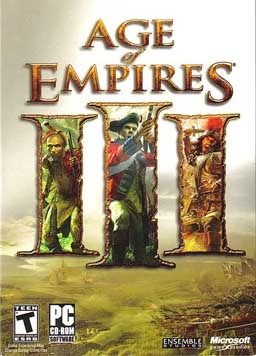
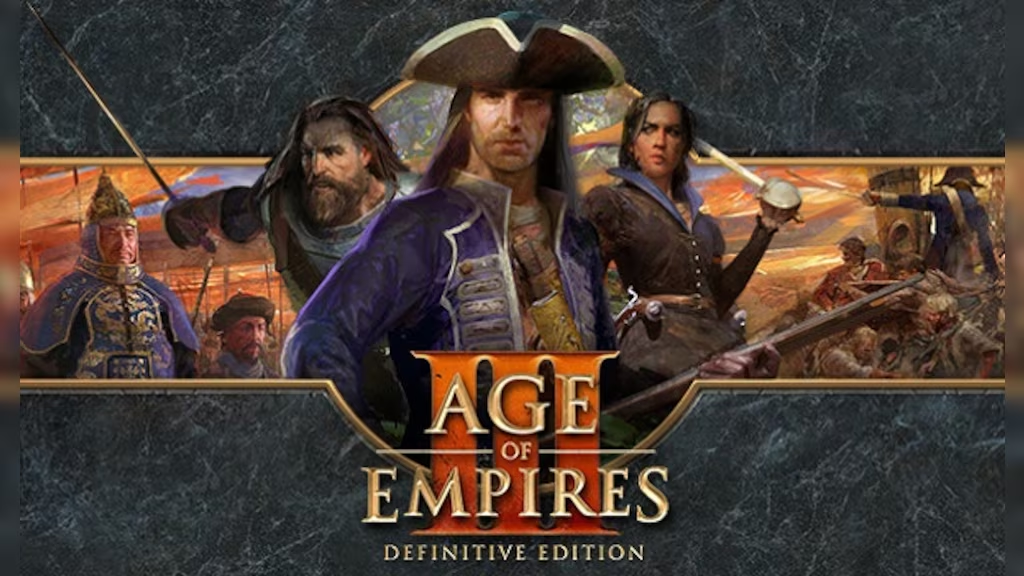
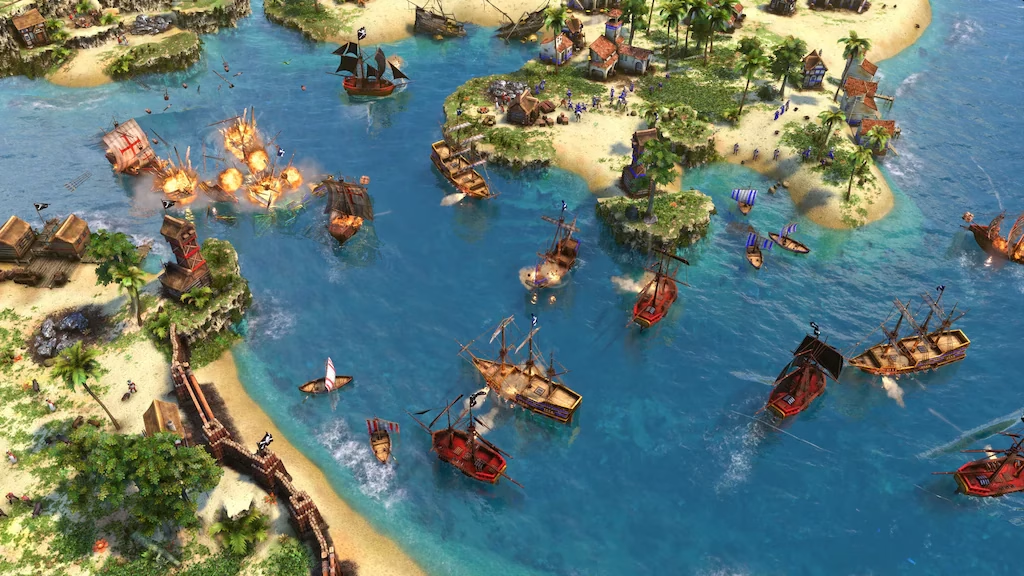
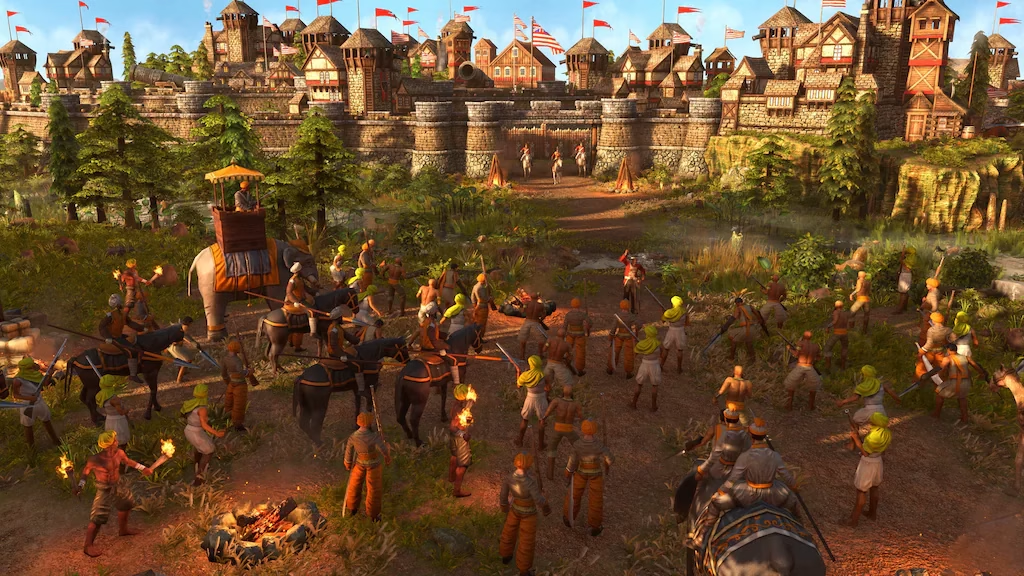
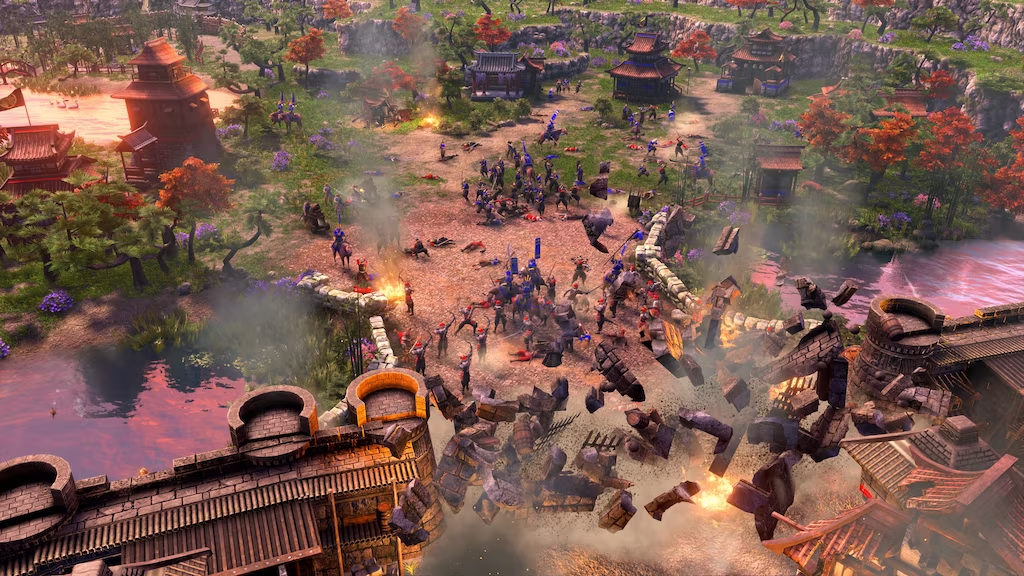
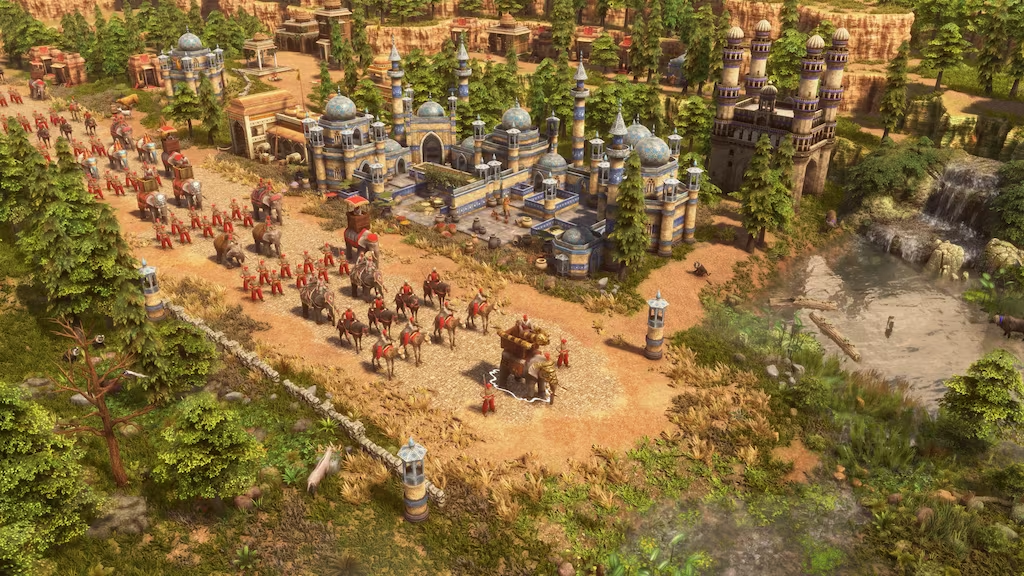
Age of Empires III is a real-time strategy video game developed by Microsoft Corporation’s Ensemble Studios and published by Microsoft Game Studios. The Mac version was ported over and developed and published by Destineer’s MacSoft. The PC version was released on October 18, 2005, in North America and November 4, 2005, in Europe, while the Mac version was released on November 21, 2006, in North America and September 29, 2006, in Europe. An N-Gage version of the game developed by Glu Mobile was released on April 28, 2009. It is the third game of the Age of Empires series and the sequel to Age of Empires II: The Age of Kings. A remaster titled Age of Empires III: Definitive Edition was released on October 15, 2020. Its successor, Age of Empires IV, was released October 28, 2021 for Windows.
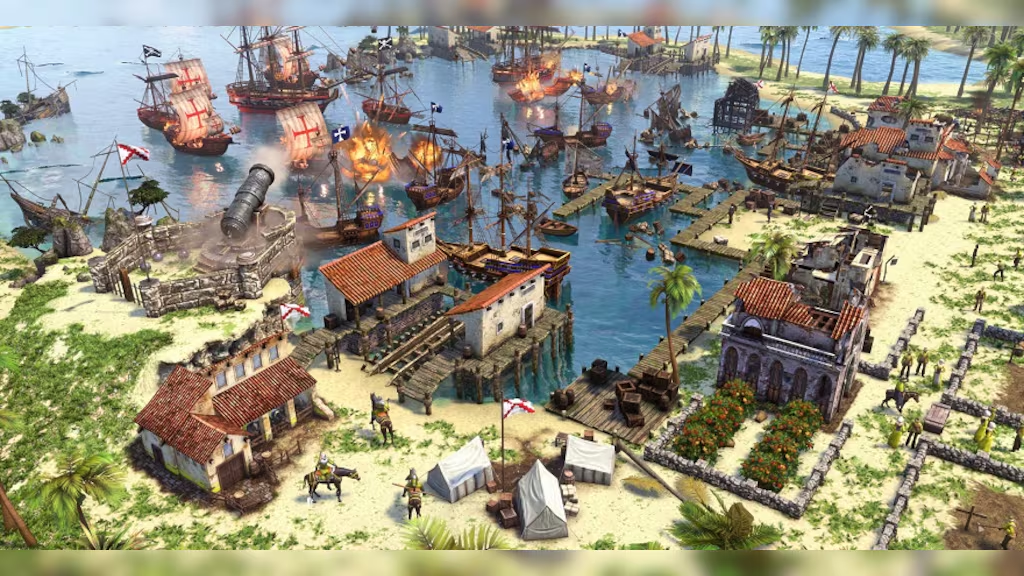
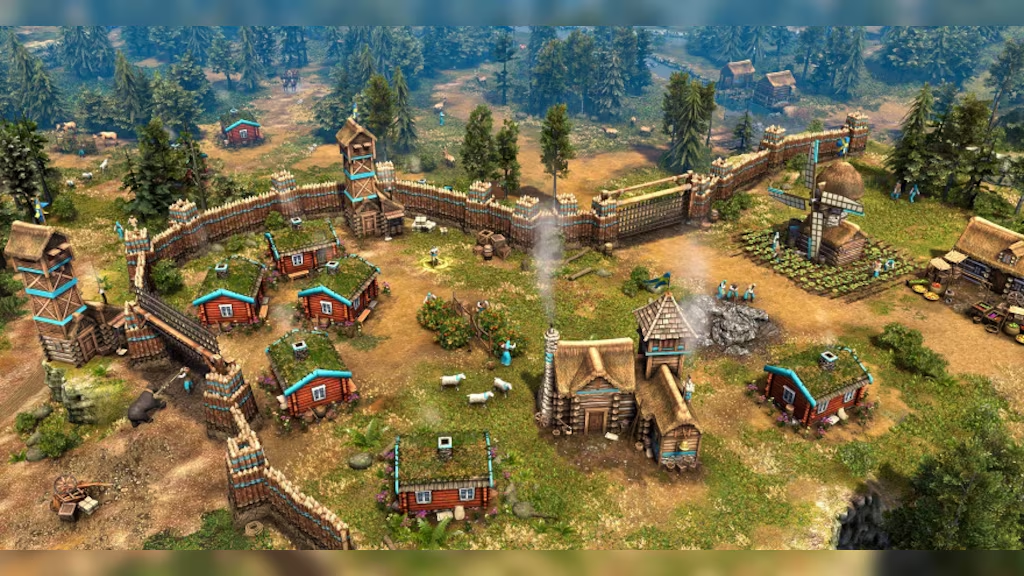
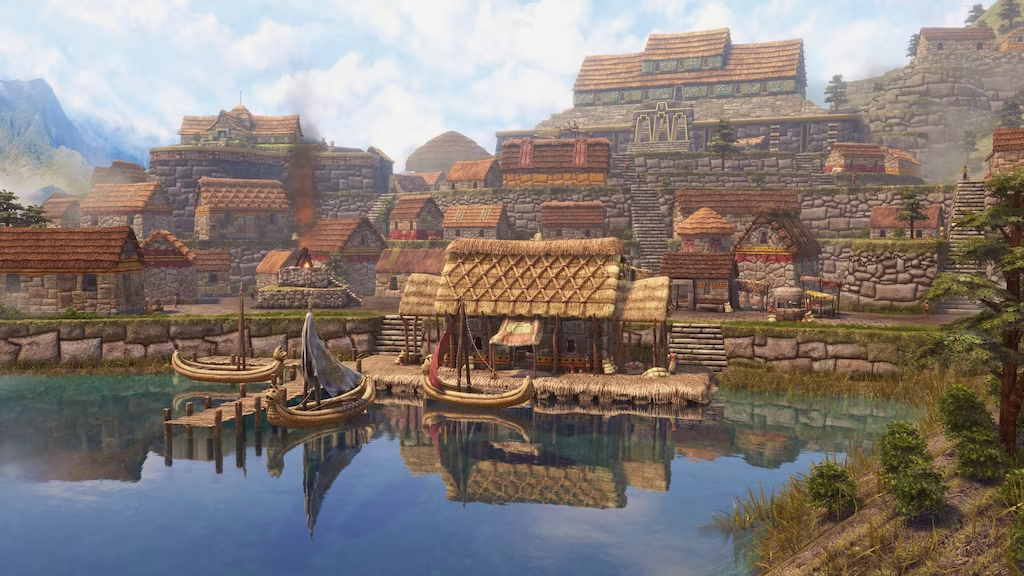
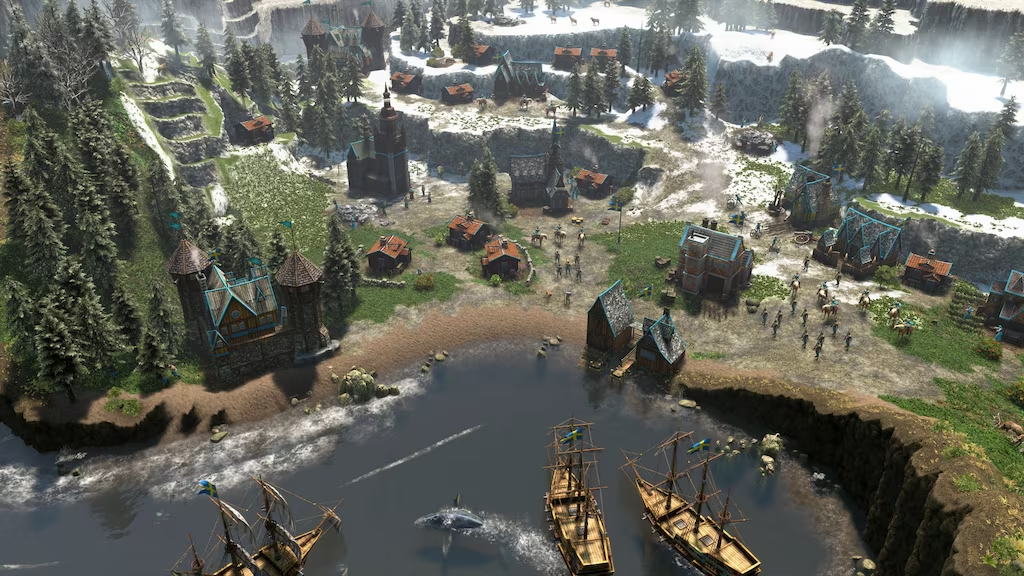
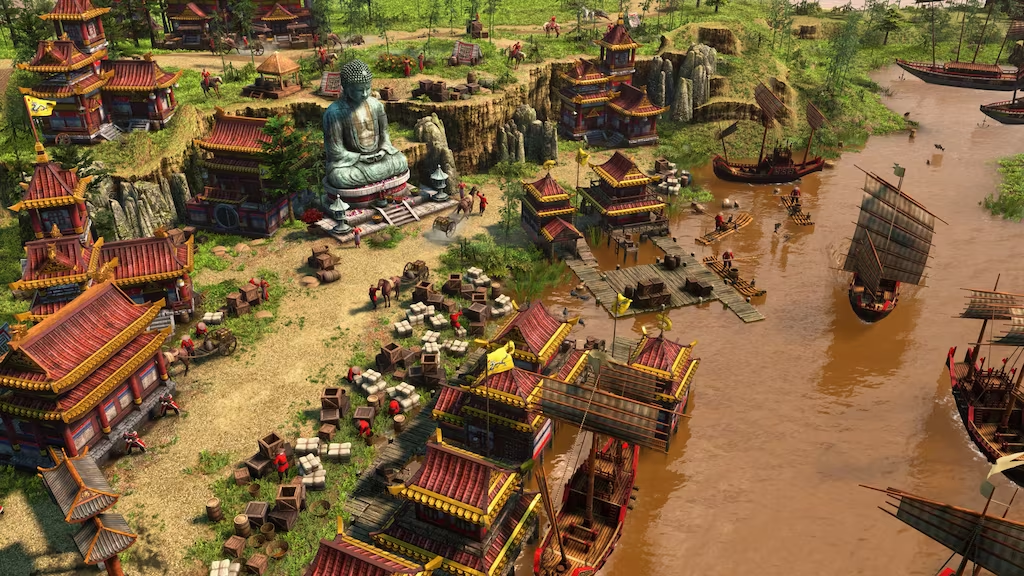
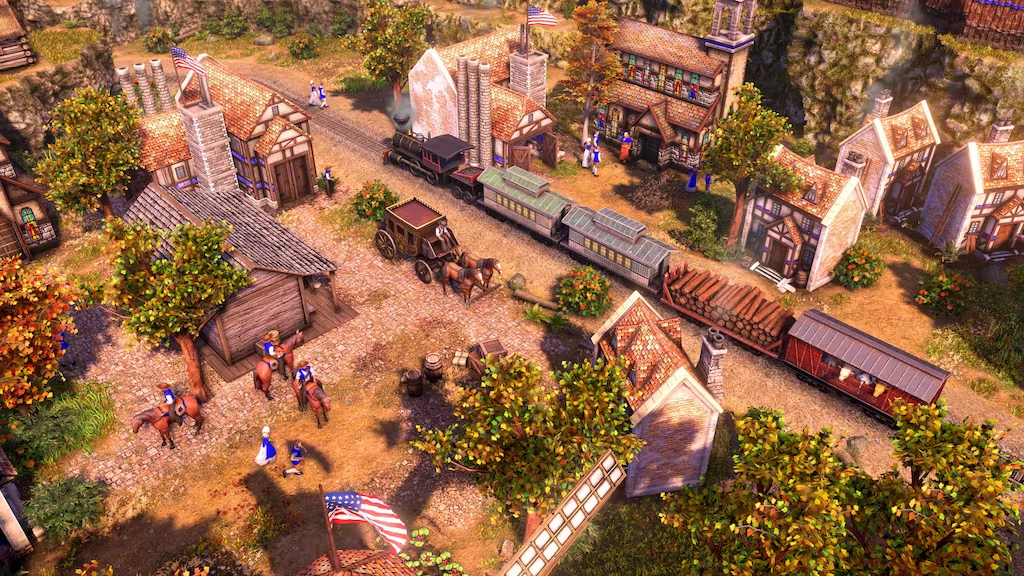
The game portrays the European colonization of the Americas, between approximately 1492 and 1876 AD. There are fourteen civilizations to play within the game. Age of Empires III has made several innovations in the series, in particular with the addition of the “Home City”, which combines real-time strategy and role-playing features. Two expansion packs have been released: the first, Age of Empires III: The WarChiefs, was released on October 17, 2006, and introduced three Native American civilizations; the second, Age of Empires III: The Asian Dynasties, was released on October 23, 2007, and included three Asian civilizations.
Age of Empires III has sold over two million copies as of May 2008. As well as receiving favorable reviews, it has garnered awards, including GameSpy’s “Best RTS game of 2005”, and was one of the best-selling games of 2005. In 2007, Age of Empires III was the seventh best-selling computer game, with over 313,000 copies sold that year.
The original, unexpanded version of the game was delisted on October 30, 2024. While offline gameplay will continue, multiplayer servers will be taken down due to outdated technology. The Definitive Edition will remain available.
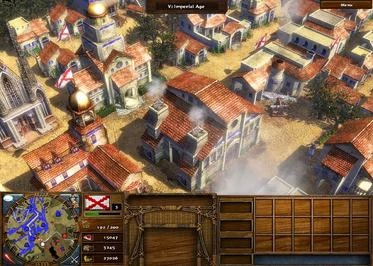
Players begin with a constructed town center or a wagon that will build into such, an armed explorer, and a modest number of villagers. Players explore the map and begin gathering resources used to build additional units and buildings and to research upgrades or technologies. Actions such as training units, constructing buildings, killing enemy units, etc., earn the player experience points. At certain experience point thresholds, players earn shipments that may be turned in for cards from the player’s Home City, which can include units, upgrades, or resources. The game progresses similarly to most real-time strategy games until one side resigns.
In Age of Empires III, the player advances through technological “Ages”, representing historical time periods; these provide access to greater improvements, units, and buildings. They include the Discovery Age, which represents the discovery and exploration of the Americas by Europeans and allows the player to explore and develop their economy; the Colonial Age, which represents the European Expansion into the “New World” and unlocks early military units; the Fortress Age, which represents the fortification of the European colonies, unlocks forts, and allows the player to have a more complete military; the Industrial Age, which triggers a strong economy, due in part to factories—advanced buildings that automatically produce resources or artillery—and unlocks all units and shipments; and the Imperial Age, which unlocks all buildings and upgrades, and allows you to send unit and resource shipments a second time. All Ages cost food and coin to advance to, except the Colonial Age, which only costs food (800). The price of age advancement is incremental but does not vary between civilizations.
Similar to the “minor gods” system in Age of Mythology, Age of Empires III uses a “Politician System” to grant bonuses on a successful advancement to another age. When the player chooses to advance to the next age, they are given the choice of two or more “Politicians” that provide them with different bonuses upon selection. The Politician is given a generalized title from the period that usually reflects the bonus that it gives: for example, “The Naturalist” gives the player four cows, while “The General” gives twelve musketeers and one piece of heavy artillery. As the player’s Home City increases in level, more Politicians are unlocked—at a rate of one for every ten Home City levels—up to level 60.
Reference:




Recent Comments