
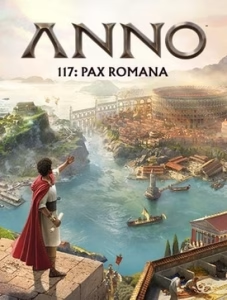

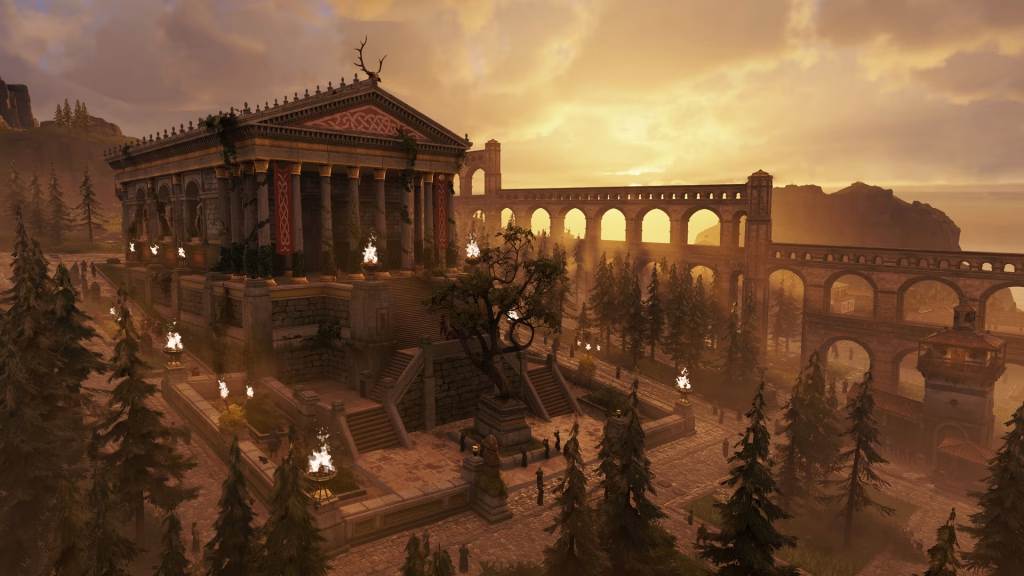
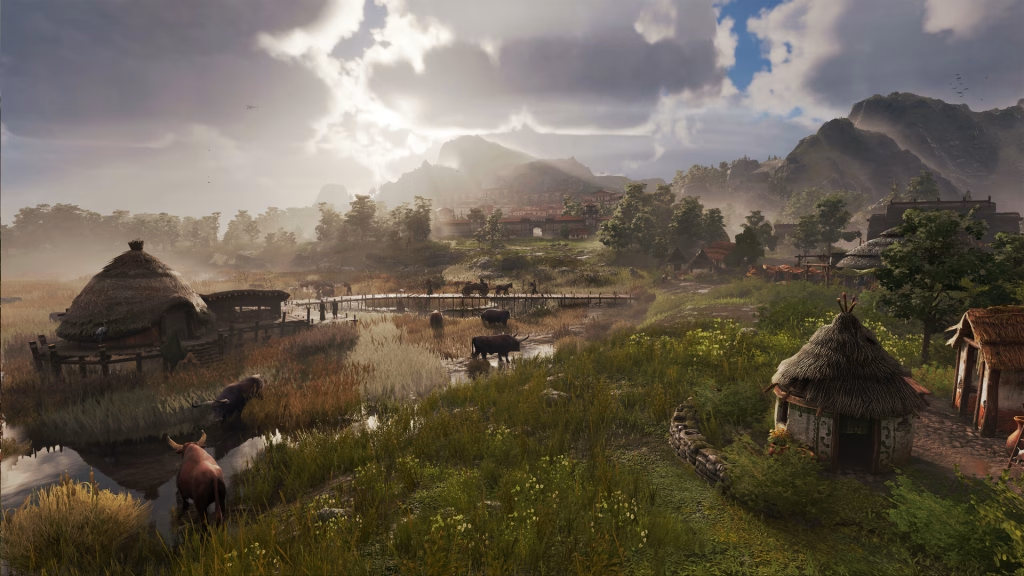
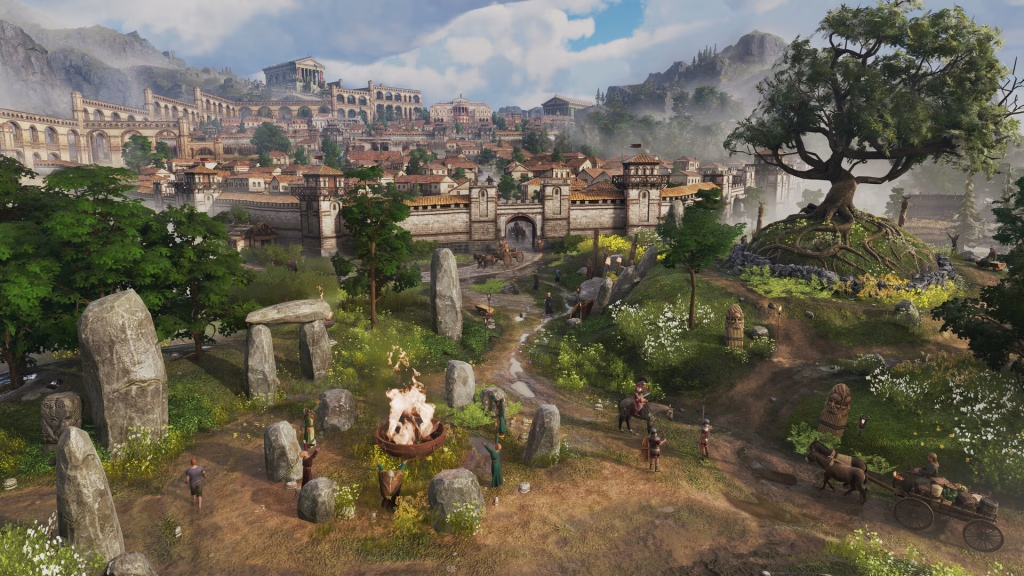
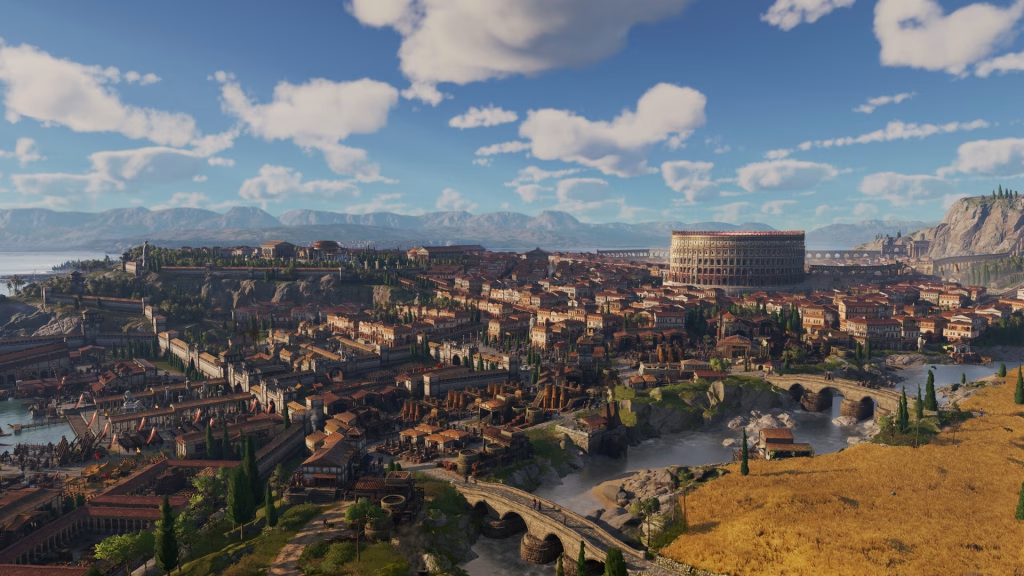
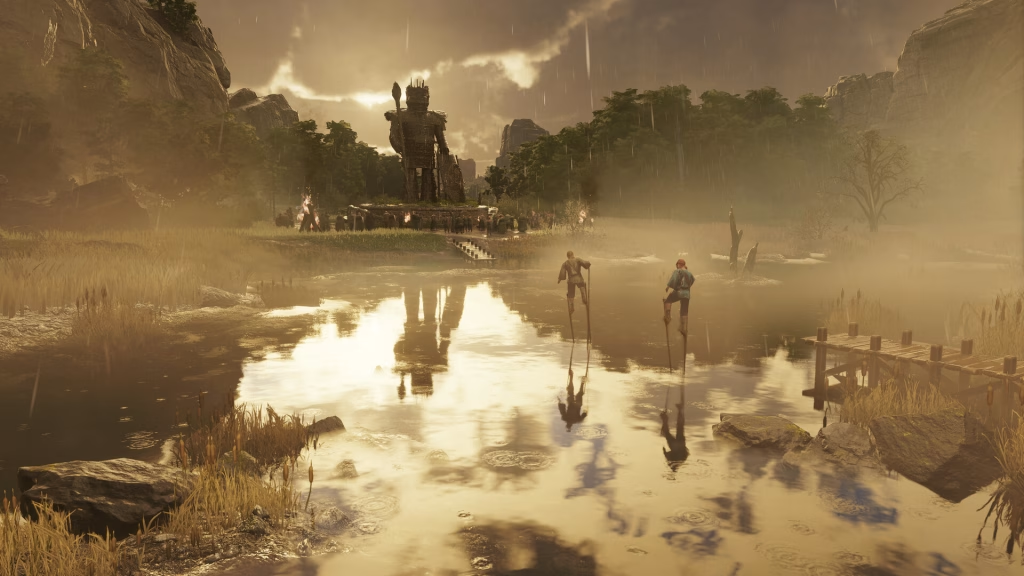
Anno 117, also known as Anno 117: Pax Romana, is a real-time strategy video game developed by Ubisoft Mainz and published by Ubisoft. Set during the Pax Romana, a period of peace and prosperity in the Roman Empire, it is the eighth installment in the Anno series and the earliest historical setting in the franchise to date. Players of the city-building game assume the role of a Roman governor and can choose a starting province, ruling either the Roman Empire in Latium or the Celtic kingdom in Albion. In the latter, players may spread Roman or Celtic cultural influence or a combination of both.
During development, Ubisoft focused on improving accessibility for new players while preserving the series’ complexity. Anno 117 was designed to be more modular, allowing players to explore individual provinces with added context and story, while experienced players could still manage multiple lands and trade. Major city-building changes were introduced, including optional population needs, an attribute system, and building proximity effects. Ubisoft officially announced Anno 117 in June 2024. The reveal was followed by extensive community engagement up until release, including multiple Gamescom and community events, beta periods and a playable demo. It was released on 13 November 2025 for PlayStation 5, Windows and Xbox Series X/S.
Upon release, Anno 117 received generally positive reviews from critics, who praised the city-building gameplay and visual presentation but criticized the story. It became the fastest-selling game in the Anno series shortly after release and reached 1.17 million players by April 2026. The game appeared on several publications’ year-end lists and received accolades, including a German Computer Game Award for Best Innovation and Technology. Multiple downloadable content (DLC) expansions are planned, with Prophecies of Ash having launched in April 2026.
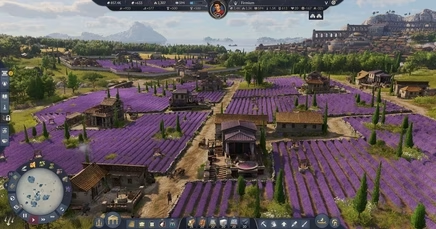
Anno 117 is a real-time strategy video game featuring single-player and multiplayer modes, including co-op in both the endless mode and the campaign mode. Players take the role of a Roman governor for city-building and can choose between different starting provinces, ruling either the Roman Empire in Latium or the Celtic kingdom in Albion. In the latter, players can choose to combine cultures or go fully Celtic. Players can choose between story mode and endless mode. In story mode, players take the role of one of two predefined characters and may continue to play after the story concludes. In endless mode, players start by choosing a province and selecting from multiple difficulty settings. Players select rival governors that have different personalities and playstyles, and they do not always follow the same rules as the player. These governors can act as either opponents or trade partners.
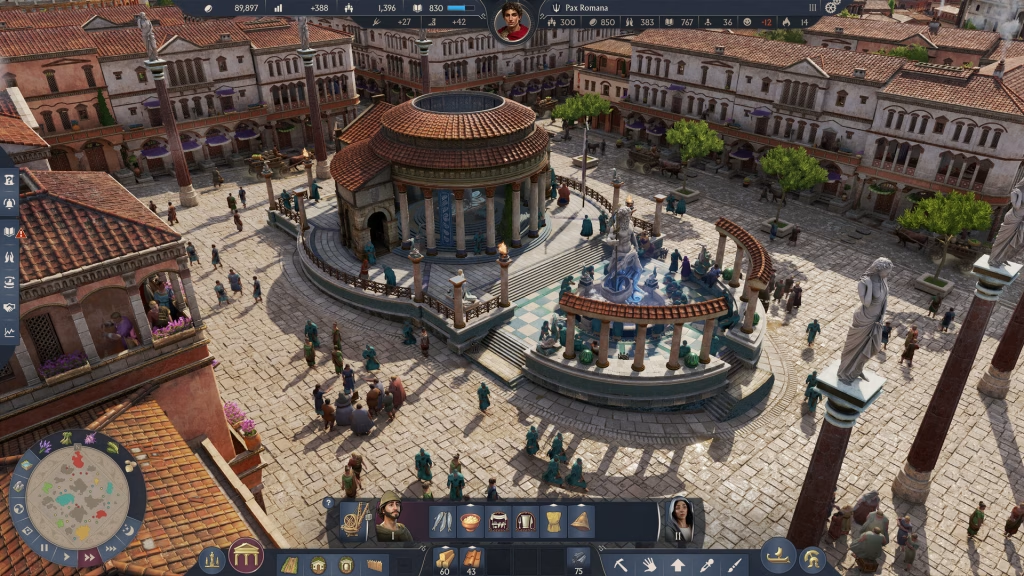
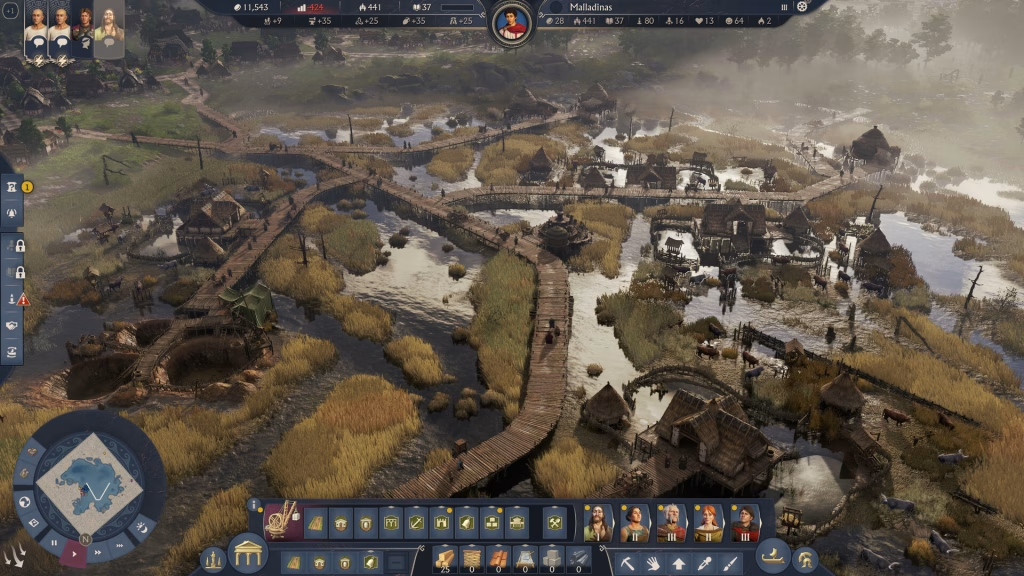
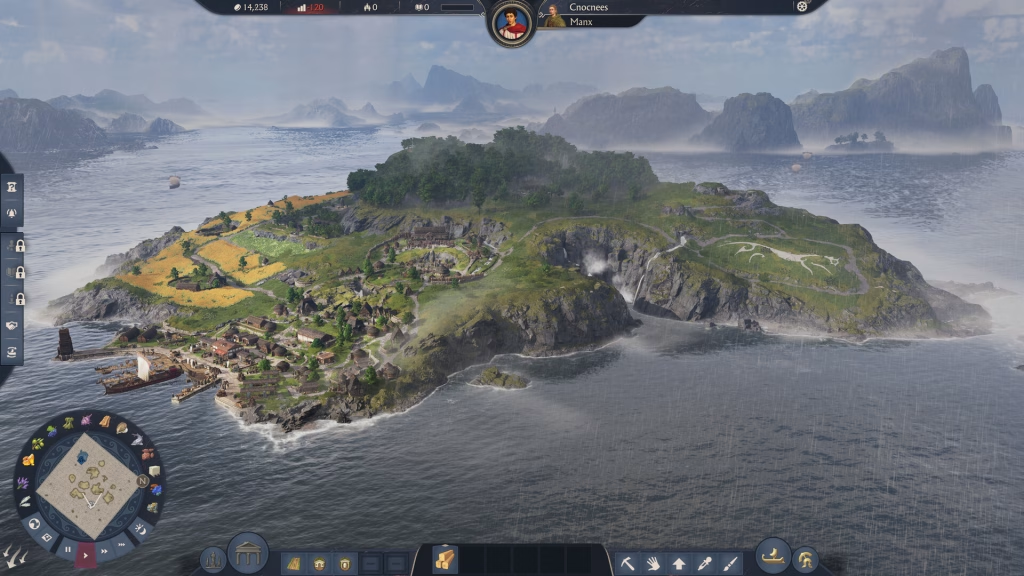
Players start on an island with limited resources, build a stable economy, and expand to other islands as resources and opportunities allow. They begin by building residences for Liberti, and the population advances up to Patricians as needs are met. Advancement in population is affected by access to goods and the presence of nearby prestige buildings or polluting industrial buildings. Infrastructure upgrades, including paved roads, extend the effective range of these structures and improve efficiency. Attributes, such as income, population, and health, are managed through an attribute system that is influenced by buildings and the supply of goods. Supplying specific goods increases population, satisfaction, or income depending on the type. Players can focus on particular attributes by managing resources and constructing appropriate buildings. Production chains can span multiple islands and require inter-island trade. Trade routes use assigned ships to transport goods that can be tracked and rerouted. Small settlements, warehouses, and waystations help manage logistics, and intra-region hubs let players consolidate and speed up exports. Effective economic management produces trade surpluses that can be sold to further increase income. Players can also stabilize economic crises by placing buy orders at harbors.
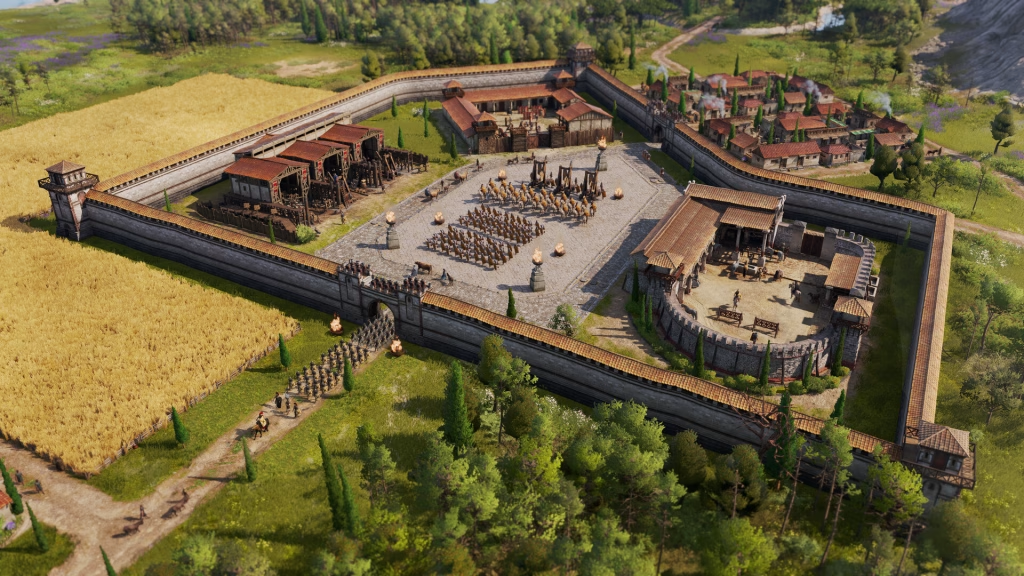
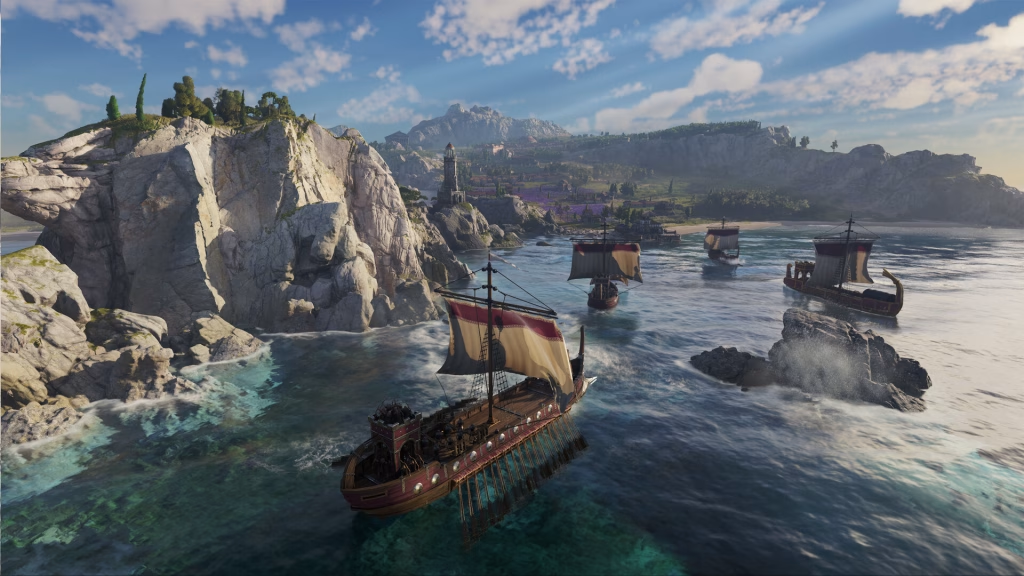
In terms of diplomacy, players have to complete orders for the Emperor as he makes demands that affect the player’s reputation with Rome. Fulfilling or refusing these demands grants bonuses or penalties, and high reputation levels lead to major rewards. High reputation with the Emperor can earn Consul status, while opposing him may grant Proconsular authority. When encountering rival governors, players can respond to competition through either diplomatic engagement or military conflict. Combat takes place both at sea and on land. Ships in naval battles move differently depending on whether they use sails, oars, or both. They play an important role in protecting trade routes from pirates. Land combat includes melee, ranged, and siege units, though players may avoid it completely with a strong navy. Unit selection relies on a rock paper scissors-system, requiring coordination between melee, ranged, and cavalry units to maximize effectiveness and minimize losses in combat. Religion functions as a gameplay system in which belief is accumulated and tied to chosen gods that grant scaling bonuses. Schools operate in a similar manner, generating research points that unlock technologies in a research tree, with additional schools increasing the speed of research. The research tree contains over 100 unlocks, including buildings, units, bonuses, and repeatable technologies.
Reference:




Recent Comments